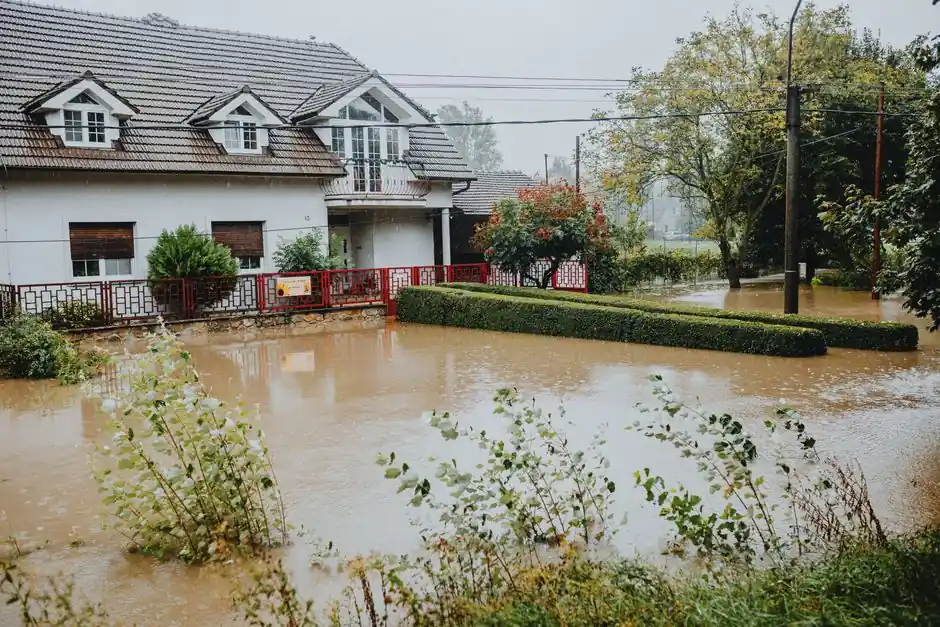
Cleaning up sewage water in a flooded basement means getting out of the water, shutting off power and water, and calling a licensed cleanup crew before you touch anything. Sewage is Category 3 black water - it carries E. coli, hepatitis A, salmonella, and parasites - and one wet-vac pass with a shop vac does not make a basement safe. Below is the exact order of operations we use on sewage backup calls across Connecticut, what it costs in 2026, and how to get your insurance to pay for most of it.
How to clean up sewage water in a flooded basement is a process that involves containment, extraction, disinfection, and drying - not just pumping water out the door. We will walk through each stage, the gear you need, the mistakes that force homeowners to replace drywall and flooring, and when it is time to hand the job to a professional.
Why sewage water is not like other basement water
Sewage water in a Connecticut basement is classified as Category 3 black water, the most contaminated class the IICRC recognizes, and it requires full PPE and hospital-grade disinfection - not a mop and bleach.
Category 1 is clean supply-line water from a burst pipe. Category 2 is gray water from a washing machine or dishwasher. Category 3 is anything that has touched human waste: a backed-up sewer line, a failed septic connection, or a sump pit that has overflowed with sewage. The difference matters because Category 3 water contaminates porous materials on contact. Drywall wicks it up the paper facing within minutes. Carpet padding soaks it like a sponge. Once that happens, those materials cannot be cleaned - they have to come out.
Health risk is the other reason this is not a DIY job. The CDC lists E. coli, salmonella, hepatitis A, norovirus, and giardia as common pathogens in sewage. If you have an open cut, a compromised immune system, or you are pregnant, do not enter the water at all. Even healthy adults should treat it as a biohazard.
If your backup came from a storm drain or a flooded street rather than a sewer line, the cleanup is similar but the source is different - you can read how we handle Storm Water Removal in Connecticut for that scenario.
What to do in the first 30 minutes
In the first 30 minutes after a sewage backup, your goal is to stop the source and get people out of the water - not to start cleaning.
- Get everyone out of the basement. Keep kids and pets upstairs. Do not wade in if the water is above your ankles or if you cannot see the floor.
- Shut off the power to the basement at the breaker panel - but only if you can reach the panel without stepping in water. If the panel is in the flooded area, call an electrician or the utility first.
- Stop the source. If the backup is from your sewer lateral, stop running water anywhere in the house. Every flush, shower, and load of laundry pushes more sewage into the basement.
- Call your insurance company and open a claim. Most carriers want to hear from you within 24 hours.
- Call a sewage cleanup crew. Sewage flood water extraction is not a job for a wet-vac and a fan. You need truck-mounted extraction, EPA-registered disinfectant, and commercial drying equipment.
Do not run your HVAC system. If the air handler or ductwork is in the basement, running it pulls sewage particles through the whole house.
How to clean up sewage water in a flooded basement in Connecticut
Sewage water cleanup in Connecticut follows five stages: containment, extraction, removal of contaminated materials, disinfection, and structural drying. Skipping any stage leaves bacteria or moisture behind.
Stage 1: Containment
We seal off the basement stairs with plastic sheeting and set up negative air pressure so sewage particles do not migrate into the living space. This takes about 15 minutes and it is the difference between cleaning a basement and cleaning a house.
Stage 2: Extraction
Truck-mounted extraction units pull 30 to 60 gallons per minute, which is roughly ten times what a shop vac can do. On a typical 1,000-square-foot Connecticut basement with 2 inches of standing sewage, that is about 1,250 gallons of liquid. We pull the bulk of it in 60 to 90 minutes.
Stage 3: Removal of contaminated materials
Anything porous that touched the water comes out: carpet, pad, baseboards, and drywall up to 12 to 24 inches above the water line. We bag it on-site and haul it away. This is the stage homeowners try to skip, and it is the stage that causes mold problems three weeks later.
Stage 4: Disinfection
We apply an EPA-registered hospital-grade disinfectant to every hard surface - concrete, framing, studs, and floor drains. Bleach diluted at the kitchen sink does not meet the kill claim for Category 3 water. We fog the space and let it dwell for the full contact time on the label, usually 10 minutes.
Stage 5: Structural drying
We set commercial dehumidifiers and air movers and run them until the framing reads dry on a moisture meter. In Connecticut's humid summers and cold winters, that usually takes 3 to 5 days. We check moisture daily and do not pull equipment until the numbers hold.
If the sewage backed up because your sump pump quit during a storm, the cleanup overlaps with Sump Pump Failure Water Removal in Connecticut - same extraction and drying process, different source.
What it costs to clean up sewage water in a flooded basement in Connecticut
Typical 2026 pricing for sewage water removal in Connecticut runs $2,500 to $8,000 for a finished basement and $1,200 to $3,500 for an unfinished one, depending on square footage and how much material has to be removed.
Here is how the numbers break down for a 1,000-square-foot basement:
- Emergency response and extraction: $800 to $1,800
- Contaminated material removal and disposal: $500 to $2,000
- Disinfection and antimicrobial treatment: $400 to $900
- Structural drying (3 to 5 days of equipment): $600 to $1,500
- Reconstruction (drywall, flooring, paint): $2,000 to $6,000+
After-hours emergency calls in Connecticut usually add 15 to 25 percent. If the backup was caused by a city sewer main blockage rather than your lateral, some municipalities will cover part of the cost - ask your town's public works department before you assume you are paying the whole bill.
Does insurance cover sewage cleanup in CT?
Standard Connecticut homeowners policies cover sewage backup only if you added a sewer backup endorsement - usually $50 to $150 a year for $10,000 to $25,000 of coverage.
Without that endorsement, a backed-up sewer line is typically excluded, because most policies treat it as a maintenance issue rather than a sudden loss. With the endorsement, you get coverage for extraction, disinfection, drying, and often the reconstruction. Flood insurance through the NFIP does not cover sewer backup unless the backup was directly caused by a flood event.
Three things to do before you file:
- Photograph everything before anything is moved - the water line on the wall, the damaged contents, the source of the backup.
- Keep every receipt, including the hotel if you have to stay elsewhere.
- Get a written scope from the cleanup company that separates emergency mitigation from reconstruction. Carriers process those as two claims.
We work directly with most major carriers and can bill them directly on covered losses.
Common mistakes that turn a bad day into a rebuild
The most expensive mistakes we see on sewage calls in Connecticut are the ones homeowners make in the first hour.
- Using a shop vac on sewage. A wet/dry vac spreads contaminated mist through the air and does not have the lift to pull water out of carpet or concrete.
- Bleach and a fan. Household bleach at 1:10 kills some bacteria on contact but does not meet the EPA kill claim for Category 3 water, and a box fan just moves contaminated air around.
- Keeping the carpet. Carpet and pad that touched sewage cannot be saved. Cleaning it traps bacteria and mold spores under the floor.
- Cutting drywall only to the water line. Sewage wicks up the paper facing 12 to 24 inches above where the water sat. Cut above the wick line or you will be back in three weeks with mold.
- Waiting on the insurance adjuster before starting mitigation. Most policies require you to mitigate further damage immediately. Document first, then start.
- Not addressing the cause. If a root intrusion, a collapsed clay lateral, or a failing sump pump caused the backup, cleaning the basement without fixing the cause means it will happen again on the next heavy rain.
When to call a professional
Call a professional the moment the water smells like sewage, because that smell is the signal that you are dealing with Category 3 contamination and not a clean-water leak.
You should also call if the water is deeper than an inch, if the backup happened while you were away and the water has been sitting for more than 24 hours, if you can see mold or smell musty odors, or if anyone in the house has asthma, allergies, or a compromised immune system. In any of those cases, DIY cleanup risks your health and your home's structure.
Our team handles sewage flood water extraction, disinfection, and drying for homeowners across the state, from Water Removal in Hartford to the shoreline towns. We arrive with truck-mounted extraction, EPA-registered disinfectant, and commercial drying equipment, and we document everything for your insurance claim.
Frequently Asked Questions
How to clean up sewage water in a flooded basement in Connecticut?
Get everyone out, shut off power and water if safe, call your insurer, then call a licensed cleanup crew. Professionals extract the water with truck-mounted units, remove contaminated drywall and carpet, disinfect with EPA-registered products, and dry the structure for 3 to 5 days. Do not attempt this with a shop vac.
Who does sewage water removal in Connecticut?
Licensed water damage restoration companies with IICRC-certified technicians handle sewage water removal in Connecticut. Ct Water Remover Pros provides emergency sewage water extraction and cleanup statewide, with 24/7 response and direct insurance billing. Call (833) 640-1438 for dispatch.
Is sewage water dangerous in Connecticut?
Yes. Sewage is Category 3 black water and carries E. coli, salmonella, hepatitis A, norovirus, and parasites. Contact can cause serious gastrointestinal illness, and airborne particles from a wet-vac can spread contamination through the house. Anyone with a compromised immune system should not enter the affected area.
Does insurance cover sewage cleanup in CT?
Only if your policy has a sewer backup endorsement, which typically costs $50 to $150 per year and covers $10,000 to $25,000. Without it, most Connecticut policies exclude sewer backup. Flood insurance through the NFIP generally does not cover it either. Check your declarations page before you file.
How long does sewage cleanup take?
Extraction and disinfection usually take one day. Structural drying runs 3 to 5 days depending on humidity and how much material was removed. Reconstruction, if needed, adds another 1 to 3 weeks. Total timeline for a finished basement is typically 2 to 4 weeks from start to finish.
Get help with Water Removal in Connecticut
Sewage in the basement is a health emergency, and every hour the water sits, the damage and the cost go up. Ct Water Remover Pros responds 24/7 across Connecticut with truck-mounted extraction, hospital-grade disinfection, and commercial drying equipment.
Call (833) 640-1438 now and we will dispatch a crew to your address, document the damage for your insurance claim, and get your basement dry and safe again.