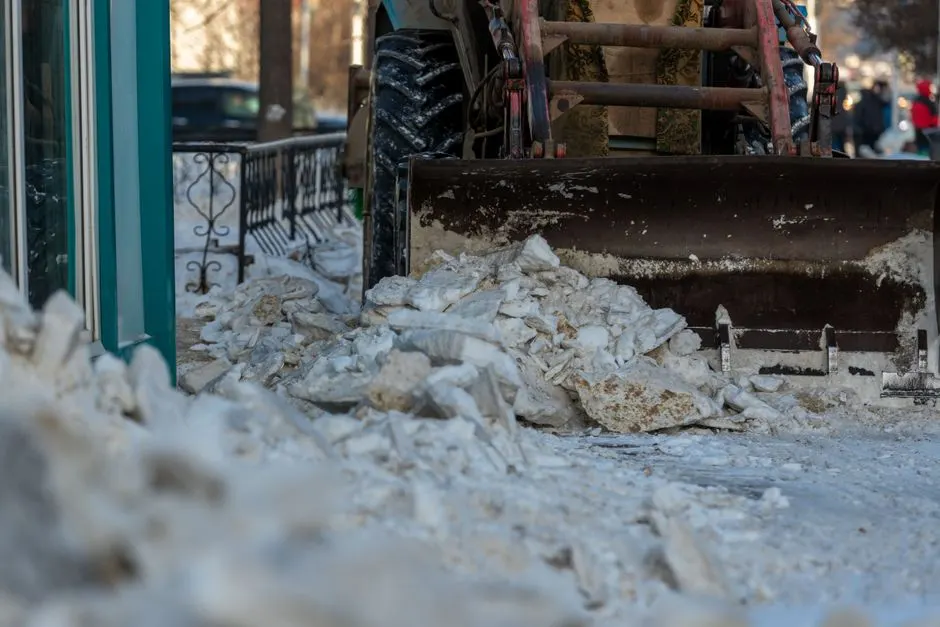
Emergency Water Extraction
Submersible pumps, wet/dry vacuums, and truck-mounted extraction machines pull standing water from carpet, hardwood, tile, and concrete. We work room by room and check with moisture meters before we call any area done.
Every job is scoped to the actual loss, but here is what a standard frozen pipe call covers. Extraction and structural drying are the core. Pipe repair, drywall, and paint are separate line items we quote upfront so you know what is covered by insurance and what is not.
Submersible pumps, wet/dry vacuums, and truck-mounted extraction machines pull standing water from carpet, hardwood, tile, and concrete. We work room by room and check with moisture meters before we call any area done.
We locate the ice block with thermal imaging and thaw it with controlled heat, never an open flame. An inspection camera confirms restored flow before we move on to the extraction phase.
Industrial dehumidifiers, air movers, and floor drying mats go in based on the moisture map. We size the equipment to the cubic footage, not a guess, and adjust placement as the readings change.
A technician returns every 24 hours to log readings against a dry standard. You get the log, and so does your adjuster. We do not pull equipment until the structure is verified dry.
Photo logs, thermal images, moisture maps, and a written scope formatted for carriers. We bill most Connecticut claims directly and coordinate with your adjuster so you are not the middleman.
Where water sat more than 24 hours, we apply an antimicrobial to framing and subfloor to slow microbial growth. This is standard practice under the ANSI/IICRC S500 Standard for Category 1 losses that have aged.
Frozen Pipe Water Removal in Connecticut is the process of thawing ice-blocked supply lines, extracting the water they release, and drying the structure before secondary damage sets in. When a copper or PVC pipe freezes, the ice expands and splits the wall of the pipe. The leak often stays hidden until the line thaws, then hundreds of gallons dump into a ceiling, wall cavity, or basement in minutes. We use thermal imaging cameras and moisture meters to find every wet pocket, then pull water with submersible pumps and truck-mounted extraction machines.
Connecticut homes take a specific beating between December and March. Older housing stock in Fairfield County and the Naugatuck Valley runs uninsulated pipes through exterior walls and unheated crawl spaces, and a single overnight drop to 10 degrees can split three lines at once. That is why we run emergency frozen pipe water removal around the clock. If you are searching for emergency frozen pipe cleanup near me Connecticut, we answer the phone at 2 a.m. and roll a crew with a wet/dry vacuum, air movers, and industrial dehumidifiers.
Five steps, start to finish. You get a call-ahead, a walkthrough, and daily updates until the last air mover leaves.
Schedule
Call or book online — a real human picks up and confirms a 2-hour arrival window.
Diagnose
Licensed tech inspects on-site, then walks you through the cause and your options.
Fix
The job is completed to code and done right the first time — no shortcuts, no surprises.
Guarantee
Every job backed by a written workmanship warranty — and we stand behind it.
Thermal Imaging Cameras
Find temperature differentials behind walls and under floors to locate frozen sections and hidden water without tearing the structure apart.
Moisture Meters
Pin and pinless meters measure moisture content in drywall, wood, and concrete so we can compare against a dry standard and know when to stop drying.
Submersible Pumps
Wayne Pumps and Zoeller submersible units move large volumes of standing water out of basements and crawl spaces fast, often 50 to 70 gallons per minute.
Wet/Dry Vacuums
Shop-Vac and RIDGID units handle the final pass on carpet, hardwood, and tight corners where a pump cannot reach.
Industrial Dehumidifiers
Dri-Eaz and Phoenix Restoration Equipment LGR dehumidifiers pull moisture out of the air so wet materials can release their water and dry.
Air Movers
High-velocity air movers create evaporation at the surface, speeding drying on walls, floors, and ceilings. We position them based on the moisture map.
Inspection Cameras
We run a camera through the line after thawing to confirm flow and check the pipe wall for cracks or stress before we close anything up.
ANSI/IICRC S500 Standard
The industry standard for water damage restoration. It defines how we classify the loss, size the drying equipment, and verify dry standard. Every job we run follows it, and the documentation reflects it.
Controlled Heat Thawing
We use indirect heat sources and thermal monitoring to thaw frozen lines without the fire risk of a torch. This protects the pipe, the framing, and your family.
Daily Moisture Mapping
We take readings at fixed points every 24 hours and adjust equipment placement based on the trend. When the numbers stop moving, we know the structure is dry.
Antimicrobial Application
On losses where water sat more than 24 hours, we apply an EPA-registered antimicrobial to framing and subfloor to slow microbial growth before we close up.
01
What we do: We thaw the frozen section, confirm flow with an inspection camera, then extract any water that has already released and dry the ceiling cavity. Most calls like this finish in a single day of extraction plus three to four days of drying.
→ Water pressure restored, ceiling dried, and no mold growth down the road.
02
What we do: We coordinate access with your property manager or a lockbox, shut off the main, extract the water, and set drying equipment. You get daily photo updates and moisture logs by email so you can see progress without being there.
→ Loss contained, structure dried, and a documented claim package ready for your carrier.
03
What we do: We dispatch a crew immediately, handle the tenant interaction professionally, and document everything with photos and readings. Landlords get a single point of contact and one invoice covering extraction, drying, and monitoring.
→ Tenant stays housed, damage minimized, and the landlord has clean records for the claim.
04
What we do: After we handle the immediate loss, we insulate the affected runs with pipe insulation and talk through options like heat tape or rerouting. We also check the crawl space for other vulnerable lines before we leave.
→ The same pipe stops freezing, and you stop calling us every winter.
Connecticut winters are hard on plumbing. The state sits in a freeze-thaw cycle from December through March, and overnight temps in the northwest hills routinely drop below 10 degrees. Older housing stock in Hartford, Waterbury, and Bridgeport often has uninsulated copper running through exterior walls and unheated crawl spaces. Newer construction in Fairfield County tends to use PEX, which handles freezing differently but still splits at the fittings. We see the same pattern every January: a cold snap hits, three or four calls come in overnight, and by morning we have crews running in every direction. Our trucks carry enough equipment to run multiple jobs at once, so a call in Stamford does not delay a call in East Windsor. If you are searching for how to remove water from frozen pipe in Connecticut, the answer is the same statewide: shut off the main, call a pro, and start extraction before mold gets a foothold. We know the local building codes, the common failure points, and the towns where a 1950s cape will freeze before a 1990s colonial does.
Shippan Point, Stamford
Shoreline homes here sit on crawl spaces that stay cold even when the house is heated. Frozen pipes in the crawl space are a common January call.
Westville, New Haven
Dense stock of 1920s homes with original galvanized and copper lines. Exterior wall runs freeze fast when a homeowner drops the thermostat for a trip.
Bishops Corner, West Hartford
Postwar capes and ranches with uninsulated pipes in the attic. Ice dams and frozen lines often hit the same house in the same week.
Candlewood Lake Area, Brookfield
Seasonal and year-round homes on the lake, many with crawl spaces and well systems. Frozen well lines and split supply pipes are routine here.
Georgetown
Historic homes along the Norwalk River corridor with stone foundations and unheated basements. Pipes in exterior walls freeze quickly on cold nights.
Overnight temps below 15 degrees
The most common trigger for frozen pipes across Connecticut. Exterior wall runs and crawl space lines freeze first, and the burst usually shows up the next morning when the line thaws.
Extended cold snaps of 5+ days
Frost drives deeper into the ground, and the soil cannot absorb meltwater. Sump pumps work harder, and basement flooding from frozen discharge lines becomes common.
Aging housing stock with uninsulated pipes
Homes built before 1970 often have supply lines in exterior walls with no insulation. These freeze faster and split more often than modern PEX or insulated copper runs.
Freeze-thaw cycles in late winter
March and early April bring daytime thaws and nighttime refreezes. Pipes that survived January can still split in a late-season cycle, especially in unheated garages and crawl spaces.
A frozen pipe is rarely just a wet floor. Here are the four problems we see most often on Connecticut calls, and how we handle each one.
Problem
Drywall looks fine while the framing behind it stays wet for weeks, and mold colonizes the cavity. By the time you see a stain, the damage is already structural.
Our Fix
We use thermal imaging cameras and moisture meters to map the full spread before we cut anything. Then we open only what needs opening, dry the cavity, and document the readings so you know it is actually dry.
Problem
Carpet pad acts like a sponge and holds water against the subfloor. Left in place more than 48 hours, it usually means the carpet has to be replaced instead of dried.
Our Fix
We pull pad on any job where saturation passes the salvage line, extract the carpet, and dry the subfloor with floor drying mats. If the carpet is salvageable, we dry it in place and save you the replacement cost.
Problem
A blocked line means no water pressure at the fixture, and the ice is still expanding. Every hour it stays frozen raises the odds of a split.
Our Fix
We thaw the line with controlled heat, confirm flow with an inspection camera, and check the pipe wall for stress. If we find a weak section, we replace it with new copper or PVC and flexible couplings before it fails.
Problem
Frozen ground cannot absorb meltwater, so it finds the path of least resistance, usually your basement floor drain. A failed sump pump turns a wet floor into a flooded basement.
Our Fix
We extract the standing water, dry the space, and inspect the sump pump, check valves, and backwater valve. If the pump is on its last legs, we tell you straight and quote a replacement.
A burst pipe is a race against mold. Every hour water sits in drywall, carpet, and framing, the repair bill climbs. Here is what you get when our crew pulls up.
Fast 24/7 Response
We dispatch crews around the clock, including holidays, and most Connecticut addresses see a technician within 60 to 90 minutes of the call. That speed matters because mold can colonize wet drywall in 24 to 48 hours, and a fast start on winter pipe water extraction usually saves the ceiling.
Insurance Paperwork Handled
We document every affected room with moisture readings, thermal images, and photo logs formatted for adjusters. Most frozen pipe burst cleanup Connecticut claims move faster when the carrier gets a clean scope on day one, so we handle that part and keep you out of the middle.
Thawing Without More Damage
We thaw lines with controlled heat and inspection cameras, not open torches. That protects the pipe, the framing, and your family. Our technicians carry IICRC WRT certification and follow the ANSI/IICRC S500 Standard for every frozen pipe thawing Connecticut job we run.
Drying Verified, Not Guessed
We do not pack up when the floor looks dry. We take moisture meter readings against a dry standard and log daily until the structure hits target. That is how we keep a frozen pipe flood cleanup Connecticut job from turning into a mold remediation six weeks later.
Google ★★★★★4.9
Called at 6 a.m. after a pipe burst in our upstairs bathroom. Crew was here in under an hour, shut off the water, and had the ceiling opened up and drying by lunch. Daily moisture logs made the insurance claim easy. Highly recommend.
Yelp ★★★★★4.8
We had a frozen line in our crawl space that flooded the whole area. They pumped it out, removed the wet insulation, and dried it out over five days. Fair price, no surprises, and they knew exactly what they were doing.
BBB ★★★★★4.9
Professional from the first phone call. They explained the process, gave us a written scope, and stuck to it. The drying was verified with meters, not guesswork. Our adjuster said the documentation was the cleanest he had seen.
Google ★★★★★5.0
Landlord here with a rental that froze during a cold snap. They handled the tenant, extracted the water, and sent me daily updates by email while I was out of state. One invoice, one point of contact. Will use them again.
We run frozen pipe water extraction across Connecticut, from the Gold Coast to the northwest hills. Crews stage out of multiple points so response times stay tight no matter where you are. Below are the towns we serve most often, and the same playbook applies in every one: fast extraction, verified drying, and clean documentation for your claim.
Shoreline condos and older colonials with exterior wall plumbing. We handle frozen pipe water removal in Stamford 24/7, with crews staged nearby for fast response.
Beach-area homes and postwar capes with crawl spaces that freeze fast. We extract, dry, and check sump pumps and backwater valves before we leave.
Dense housing stock near the shoreline with older copper lines. Frozen pipe water extraction in West Haven usually means a second-floor burst and a wet first-floor ceiling.
Suburban ranches and splits with uninsulated pipes in exterior walls. We thaw, extract, and dry, and we document everything for your insurance carrier.
Lake-area homes with crawl spaces and well systems. Frozen well lines and split supply pipes are routine here, and we carry the equipment to handle both.
Colonials and capes with finished basements. A frozen pipe above a finished basement is a big loss, and we move fast to keep the damage contained.
Rural homes in the northwest hills where overnight temps drop hard. We run frozen pipe water removal here with the same 24/7 response as the shoreline towns.
Small-town homes with a mix of older plumbing and newer PEX. We thaw, extract, and dry, and we check the crawl space for other vulnerable runs.
Rental properties and single-family homes along the Scantic River corridor. We handle tenant calls, extract the water, and send landlords daily moisture logs.
Historic homes along the Norwalk River with stone foundations and unheated basements. Frozen pipes in exterior walls are common, and we know the layout.
Real experiences from customers who chose our Frozen Pipe Water Removal services.
“Pipe in our second-floor bathroom split during a cold snap in January. Water came through the kitchen ceiling at 6 a.m. Crew was here by 7:30, had the line thawed and the ceiling opened up by 9. Four days of drying and the moisture readings were back to normal. Insurance covered it, and they handled the paperwork.”
Dan R.
Homeowner, Stamford
“We came home from a weekend trip to find the basement flooded from a frozen line. They pumped it out, set up dehumidifiers, and checked our sump pump while they were at it. The daily moisture logs they sent made the insurance claim painless. Would call them again without hesitation.”
Maria L.
Homeowner, Cheshire
“We manage a handful of rentals and had two frozen pipe calls in the same week. Both times they answered at 2 a.m. and had a tech on site inside an hour. Clean work, clear pricing, and they documented everything for the claims. They are our first call now.”
Tom K.
Property Manager, East Windsor
Real answers to the questions we hear most often from local homeowners and property managers.
When a frozen pipe splits above a finished basement, water sheets down the joists and pools fast. We extract it, dry the framing, and check the sump pump liner and check valves before we leave.
View Basement Water RemovalA burst pipe can release 250 gallons an hour, which behaves like a small flood. We treat it that way, with submersible pumps, extraction machines, and full structural drying to the ANSI/IICRC S500 Standard.
View Flood Water RemovalFrozen lines are the number one cause of burst pipes in Connecticut. We thaw the line, extract the release, and repair or replace the split section with new copper or PVC and flexible couplings.
View Burst Pipe Water RemovalWinter storms and freeze-thaw cycles often hit the same homes twice. If your storm water intrusion overlaps with a frozen pipe loss, we handle both in one scope and one insurance claim.
View Storm Water RemovalA frozen sewer line can back up into a basement after a thaw. That is a Category 3 loss and needs different handling than clean water. We carry the PPE and disposal protocols to do it safely.
View Sewage Water RemovalIce dams and frozen gutters push water under shingles, and it shows up as a ceiling stain weeks later. We trace it with thermal imaging, extract the wet insulation, and dry the ceiling cavity.
View Roof Leak Water RemovalWater does not wait for business hours, and neither do we. Call (833) 640-1438 and a live dispatcher picks up, day or night, weekends and holidays included. We serve every corner of Connecticut, from Greenwich to Groton, and most calls get a crew on site in under 60 minutes.
Phone
(833) 640-1438Address
Serving Statewide, Connecticut
Hours
Mon–Fri: 7AM – 7PM
Sat: 8AM – 4PM
Sun: Emergency Only
24/7 Emergency Available