Ct Water Remover Pros
Get Estimate

Storm Water Removal in Connecticut, pumped out and dried fast

24/7 storm water extraction for flooded basements and crawl spaces


Storm Water Removal in Connecticut means getting standing water out of your basement, crawl space, or garage before it ruins framing, insulation, and mechanicals. We run submersible pumps and truck-mounted extraction across the state, 24/7, and we dry the structure to the ANSI/IICRC S500 standard so mold never gets a foothold. One call, and a crew is rolling.

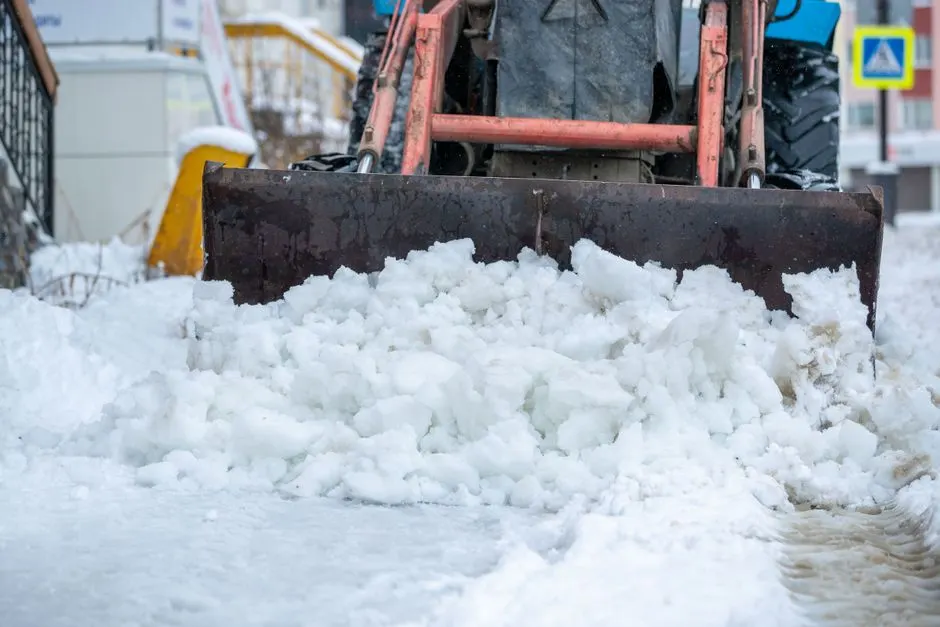
Snow plow clearing icy street after heavy winter snowstorm. Extreme cold weather conditions.
Licensed Licensed & Bonded
Fully Insured Insured & Bonded
24/7 Emergency Same-Day Response
Warranty Backed 15+ Years Trusted

What Our Storm Water Removal Includes

Every storm water job includes the pump-out, the dry-out, the monitoring, and the documentation. If the scope needs something extra, like sewage treatment or a sump pump replacement, we tell you upfront before we add it.

Emergency Pump-Out

Submersible pumps and water extraction machines remove standing water from basements, crawl spaces, garages, and low-lying rooms. We check for live circuits and gas appliances before a pump touches water, and we protect mechanicals while we work.


Moisture Mapping

We use moisture meters and thermal imaging cameras to find water you cannot see behind finished walls and under flooring. This map drives the drying plan and becomes part of your insurance documentation.

Structural Drying

Industrial dehumidifiers and air movers run in a pattern calculated to the ANSI/IICRC S500 standard. We use floor drying mats on hardwood and adjust equipment placement daily based on fresh moisture readings.

Antimicrobial Treatment

Affected surfaces get an antimicrobial application after extraction to slow mold growth while the structure dries. On contaminated storm water or sewage backups, we use the full containment and treatment protocol required for category 3 water.

Daily Monitoring

We return every day, log moisture readings, and adjust equipment. You get a copy of the log at the end. Equipment comes out when the readings say dry, not when a timer says so.

Insurance Documentation

Photos, moisture maps, and a written scope are packaged for your adjuster. We can talk directly with your carrier so you are not stuck relaying information back and forth during an already stressful week.

What Storm Water Removal in Connecticut Actually Involves


Storm Water Removal in Connecticut is the process of pumping, extracting, and drying storm-driven water from a building's lowest levels, then verifying with moisture meters and thermal imaging cameras that the structure is dry. It is not a shop vac job. A finished Connecticut basement can hold 1,200 to 4,000 gallons after a single nor'easter, and that water sits against drywall, sill plates, and your furnace. We pull it with submersible pumps and water extraction machines, then dry the cavity with industrial dehumidifiers and air movers.

Most calls we take come from sump pump failure during a heavy rain band, storm water intrusion through window wells and foundation cracks, or a backed-up floor drain pushing water up instead of down. Connecticut storm cleanup calls spike from October through April, when the ground is saturated and the water table is already high. If you are searching emergency storm cleanup near me Connecticut at 2 a.m., that is exactly the call we staff for.

How Our Storm Water Removal Process Works

Every job follows the same five steps. You will know what is happening, who is doing it, and when we are coming back.

01

Schedule

Call or book online — a real human picks up and confirms a 2-hour arrival window.

02

Diagnose

Licensed tech inspects on-site, then walks you through the cause and your options.

03

Fix

The job is completed to code and done right the first time — no shortcuts, no surprises.

04

Guarantee

Every job backed by a written workmanship warranty — and we stand behind it.

Tools and Methods We Use

Tools & Equipment

Submersible Pumps

Move bulk standing water out of basements and crawl spaces fast. We carry Wayne Pumps and Little Giant units sized for residential and light commercial jobs.

Water Extraction Machines

Pull water out of carpet, pad, and subfloor after the bulk water is gone. Truck-mounted and portable units handle everything from a small bedroom to a full finished basement.

Industrial Dehumidifiers

Remove moisture from the air and the structure. We run Dri-Eaz and Phoenix Restoration Equipment units sized to the cubic footage of the affected space.

Air Movers

Create the airflow pattern that evaporates moisture off surfaces and into the dehumidifiers. Placement is calculated, not random.

Moisture Meters and Thermal Imaging Cameras

Find water you cannot see and verify when the structure is dry. Every reading is logged and becomes part of your documentation packet.

Floor Drying Mats

Dry hardwood floors without cupping or warping. Mats pull moisture through the boards while the finish stays intact.

Inspection Cameras

Check cavities behind finished walls and under subfloors for trapped water. This is how we catch hidden moisture before it becomes a mold problem.

Methods & Standards

ANSI/IICRC S500 Standard

The industry standard for water damage restoration. It sets the drying targets, equipment calculations, and documentation requirements we follow on every job. It is why our dry-out is defensible to an insurance adjuster.

IICRC WRT and ASD Protocols

Water Damage Restoration Technician and Applied Structural Drying certifications. Our techs are trained to read moisture data, calculate drying goals, and adjust equipment based on real numbers, not guesswork.

Category-Based Contamination Handling

Clean storm water, gray water, and category 3 sewage all require different handling. We identify the category before we start and use the right PPE, containment, and disposal protocol for each.

Daily Moisture Monitoring

We return every day, log readings, and adjust equipment placement. Equipment comes out when the readings match a dry reference area, not when a timer runs out.

When to Call for Storm Water Removal

01

A nor'easter dumps 4 inches of rain overnight and your basement has 6 inches of standing water by morning.

What we do: Call us immediately. We dispatch a crew, pump the water out with submersible pumps, extract the residual, and set drying equipment the same visit. We check for live circuits and gas appliances before we start.

→ Water is out within hours, drying starts the same day, and most basements hit dry standard in three to five days.

02

Your sump pump runs constantly during a storm and then quits. Water starts rising in the pit.

What we do: We pump out the pit and the surrounding area, dry the space, and can install a replacement pump with a check valve and liner. If you want a battery backup, we set that too.

→ You get a working sump system and a dry basement, plus a plan so the next storm does not repeat the call.

03

You come home from vacation and find a musty smell and damp carpet in the finished basement after a storm passed through.

What we do: We use moisture meters and thermal imaging cameras to map the affected area, extract the water, and dry the structure. If mold has already started, we treat it with antimicrobials and document the scope.

→ The smell is gone, the structure is dry, and you have documentation for an insurance claim if the damage is covered.

04

A frozen pipe bursts in your crawl space in January and floods the area before you notice.

What we do: We shut down the water, pump out the crawl space, extract the residual, and dry the framing. We coordinate with a licensed plumber if the pipe needs repair.

→ The crawl space is dry, the pipe is fixed, and the framing is saved before rot or mold sets in.

How Storm Water Removal Runs in Connecticut

Connecticut storm water behaves differently depending on where you are. Along the Gold Coast, from Greenwich through Norwalk and Fairfield, the water table sits high and tidal surge can push water up through floor drains even when the rain has stopped. Inland, from Hartford up through the Quiet Corner, the problem is saturated ground and frozen soil that cannot absorb a spring melt. Our building stock makes it worse: 1920s colonials with stone foundations and no drain tile, 1950s ranches with cracked block walls, and new builds with sump liners that fail under hydrostatic pressure. We size the pump and the drying plan to the building, not to a template. If you need emergency storm water removal in Connecticut, we run crews 24/7 and we know what your specific town is dealing with.

Neighborhoods We Serve

  • Gold Coast (Greenwich, Cos Cob, Norwalk)

    High water table and tidal influence mean storm water can rise through floor drains. We bring extra pump capacity and check backwater valves on every job here.

  • Greater Hartford

    Older housing stock with stone and block foundations. We see a lot of window well intrusion and failed sump liners after heavy rain bands.

  • Quiet Corner (Brooklyn, Eastford, Amston)

    Saturated ground and long power outages during storms. Battery backup sump systems and generator-ready drying equipment matter more here.

  • Litchfield Hills (East Canaan, Gilman)

    Frozen ground in winter forces storm water sideways into crawl spaces and basements. We see more frozen pipe and crawl space calls here than anywhere else.

Local Conditions We Plan For

  • High water table along the coastline

    Water can rise through floor drains and sump pits even after the rain stops. We bring extra pump capacity and check backwater valves on coastal jobs.

  • Frozen ground from December through March

    Storm water cannot soak in, so it runs along the foundation and finds every crack. Winter calls spike for crawl space and basement intrusion.

  • Older housing stock with stone and block foundations

    These foundations weep under hydrostatic pressure. We use thermal imaging to trace the path and tell you what waterproofing fix will stop it.

  • Nor'easters and heavy rain bands

    Storm events dump 3 to 6 inches of rain in hours. We stage crews around the state before the storm hits so response times stay under 90 minutes.

Norwalk Basement, 6 Inches to Dry

Before

A failed sump pump left 6 inches of standing water in a finished 1,100-square-foot basement. Carpet, pad, and the bottom 12 inches of drywall were saturated. The furnace was surrounded by water and the homeowner had already lost power.

After

We pumped the bulk water in 90 minutes, extracted the carpet and pad, and cut the drywall to the flood line. Industrial dehumidifiers and air movers ran for four days. Final moisture readings matched the dry reference area, and the furnace was saved.

Maintenance: We installed a Zoeller replacement pump with a check valve and recommended a battery backup. The homeowner now tests the pump with a bucket before every storm season.

Before

Storm water came through a window well and soaked the carpet in a 1930s colonial. The homeowner thought it was a small area, but thermal imaging showed water had traveled 8 feet behind the finished wall and into the insulation.

After

We extracted the visible water, opened the wall cavity, removed the wet insulation, and dried the framing. The moisture map showed the full extent, and the insurance adjuster approved the claim without a second visit. The wall was rebuilt and painted.

Maintenance: We sealed the window well and recommended a waterproofing membrane on the foundation wall. The homeowner checks the well drain every fall.

Before

A frozen copper pipe burst in a crawl space in January and flooded the entire area. The vapor barrier was floating, the floor joists were soaked, and the homeowner had no idea how long the water had been there.

After

We pumped the crawl space, extracted the residual, and dried the joists and subfloor over five days. The pipe was repaired by a licensed plumber, and the vapor barrier was replaced. Final readings confirmed the framing was dry.

Maintenance: We insulated the pipe and recommended a heat tape on the vulnerable section. The homeowner now checks the crawl space after every hard freeze.

Storm Water Problems We Solve in Connecticut

Storm water finds the weak point in every building. Here are the calls we take most often, and what happens if you wait.

Problem

Sump pump fails during a heavy rain band

Water rises fast, often 2 to 4 inches per hour, and reaches your furnace, water heater, and stored belongings before you wake up.

Our Fix

We pump out the water, dry the space, and can install a replacement Zoeller or Little Giant pump with a check valve and liner. If you want a battery backup, we set that too so the next storm does not repeat the call.

Problem

Storm water intrusion through foundation cracks and window wells

Water seeps behind finished walls, saturates insulation, and starts mold growth within 24 to 48 hours. The damage is often invisible until the smell shows up.

Our Fix

We use thermal imaging cameras to trace the intrusion path, extract the water, and dry the cavity. We also identify the entry point and tell you what waterproofing membrane or drain tile fix will stop it.

Problem

Sewage backup during a storm surge

Category 3 water contaminates everything it touches. Drywall, carpet, and insulation usually have to go, and the health risk is real.

Our Fix

We handle it with full containment, PPE, antimicrobial treatment, and proper disposal under Connecticut Department of Public Health regulations. We document the scope so your insurance claim covers the removal and rebuild.

Problem

Crawl space flooding from a rising water table

Standing water rots floor joists, warps subfloor, and drives moisture up into the living space. Long-term, it can compromise the structure.

Our Fix

We pump and extract with equipment sized for tight access, dry the joists and subfloor, and check the vapor barrier and drain tiles. If hydrostatic pressure is the cause, we tell you what to fix so it stops.

Why Connecticut Homeowners Call Us First

Why Connecticut Homeowners Call Us First

Storm water does its damage in the first 24 to 48 hours. Getting it out and getting the space dry is the difference between a cleanup and a rebuild.

  • Stop Mold Before 48 Hours

    Mold can start colonizing wet drywall and carpet within 24 to 48 hours. We extract standing water, pull saturated materials, and set industrial dehumidifiers the same visit. Our crews hold IICRC WRT certification, so drying targets are set by moisture readings, not guesswork, and we document every reading for your file.

  • Protect Furnace and Mechanicals

    A flooded basement kills furnaces, water heaters, and well pumps fast. We isolate and protect mechanicals before pumping, then use inspection cameras to check cavities behind finished walls. On one Norwalk job, catching water at 4 inches saved a 12-year-old boiler that would have been a $6,000 replacement.

  • Insurance-Ready Documentation

    We photograph, meter, and log every affected area before, during, and after drying. That file is what your adjuster needs to approve a storm flooding water removal Connecticut claim without a second visit. We work directly with most major carriers and can bill the dry-out portion straight to the claim.

  • Same Crew, Start to Finish

    The tech who pumps your basement is the tech who dries it. No handoffs, no re-explaining the situation. We set a drying schedule, check moisture daily, and pull equipment only when the readings say the structure is dry, not when the calendar says day three.

Licensed, Certified, and Insured

Licensed & Certified

  • IICRC WRT (Water Damage Restoration Technician) — issued by Institute of Inspection, Cleaning and Restoration Certification
  • IICRC ASD (Applied Structural Drying) — issued by Institute of Inspection, Cleaning and Restoration Certification
  • Connecticut Home Improvement Contractor (HIC) License — issued by Connecticut Department of Consumer Protection
  • EPA Lead-Safe Certification — issued by U.S. Environmental Protection Agency
  • OSHA 10 — issued by Occupational Safety and Health Administration

Verified Reviews

Google ★★★★★4.9

Called at 11 p.m. during a storm and they answered. Truck was here in about an hour. Pumped out the basement, set up dryers, and checked moisture every day. Price was exactly what they quoted. Would use again without hesitation.

Google ★★★★★5.0

We had sewage backup during a storm and they handled it professionally. Full containment, proper disposal, and they documented everything for our insurance. The adjuster told us it was the cleanest claim file he had seen.

Yelp ★★★★★4.8

Frozen pipe burst in our crawl space in January. They came out the same day, pumped it dry, and told us exactly what to fix so it would not happen again. Honest crew, fair price, no upselling.

BBB ★★★★★4.9

Storm water came through our window well and soaked the carpet. They found water behind the wall with a thermal camera that we never would have caught. Dried it out, rebuilt the wall, and handled the insurance paperwork. Highly recommend.

15 Years of Connecticut Storm Water Work

Ct Water Remover Pros has been pulling storm water out of Connecticut buildings since 2011. That is 15 years of nor'easters, ice dams, saturated water tables, and sump pumps that quit at the worst possible moment. Our technicians hold IICRC WRT and ASD certifications, and we work to the ANSI/IICRC S500 standard on every job. We hold a Connecticut Home Improvement Contractor license, carry EPA Lead-Safe Certification for pre-1978 homes, and every tech on the truck has OSHA 10. We know what a 1950s Fairfield County basement does when the water table rises, and we know what a new-build in Hartford does when the sump liner cracks.

  • IICRC WRT and ASD certified technicians on every storm water crew
  • Connecticut Home Improvement Contractor (HIC) licensed and fully insured
  • EPA Lead-Safe Certified for pre-1978 Connecticut housing stock
  • OSHA 10 trained crews, every truck, every shift
  • 15 years serving Connecticut from Greenwich to Eastford
Get Started Today
15 Years of Connecticut Storm Water Work

Cities We Serve for Storm Water Removal

Ct Water Remover Pros delivers storm water extraction across Connecticut, from the coast to the Quiet Corner. We stage crews around the state so a Norwalk call and an Eastford call both get a fast truck. Whether you need emergency storm water removal in Connecticut or a scheduled dry-out after a storm has passed, we cover the whole state, 24/7.

Norwalk

Coastal Norwalk sits on a high water table, so storm water can rise through floor drains even after the rain stops. We bring extra pump capacity and check backwater valves on every job here.

Greenwich

Greenwich has a mix of older colonials with stone foundations and newer builds with finished basements. We handle both, using thermal imaging to trace hidden intrusion behind finished walls.

Amston

Amston's rural setting means saturated ground and power outages during storms. We bring generator-ready drying equipment and battery backup options for sump systems.

Bethany

Bethany's wooded lots and older housing stock see a lot of crawl space flooding and foundation seepage. We pump, extract, and dry with equipment sized for tight access.

Brooklyn

Brooklyn in the Quiet Corner gets hit hard by nor'easters. We stage crews nearby during storm events so response times stay under 90 minutes.

Chester

Chester's older homes and low-lying areas near the Connecticut River are prone to storm water intrusion. We handle pump-outs, dry-outs, and documentation for insurance claims.

Cos Cob

Cos Cob's coastal location means tidal influence and a high water table. We check backwater valves and bring extra pump capacity on every job here.

East Canaan

East Canaan's frozen ground in winter forces storm water sideways into basements and crawl spaces. We handle frozen pipe bursts and winter storm water calls here year-round.

Eastford

Eastford's rural roads and older housing stock mean long power outages and saturated ground. We bring generator-ready equipment and battery backup sump options.

Gilman

Gilman's location near the Yantic River means storm water can rise fast. We stage crews nearby during storm events and handle pump-outs, dry-outs, and documentation.

What Connecticut Homeowners Say

Real experiences from customers who chose our Storm Water Removal services.

“Our sump pump died during a nor'easter and we had 6 inches of water in the finished basement by morning. Ct Water Remover Pros had a truck here in under 90 minutes. They pumped it out, set dehumidifiers, and checked moisture every day for four days. Final readings were dry, and they handed us a photo log that our insurance adjuster accepted without a single question.”

D

Dana R.

Homeowner, Norwalk

“We had storm water coming through a window well and soaking the carpet in a 1930s colonial. They pulled the carpet, dried the subfloor, and used thermal imaging to find water behind the wall that we never would have caught. The price was exactly what they quoted, no after-hours surprise. I have already recommended them to two neighbors.”

M

Mark T.

Homeowner, Greenwich

“A frozen pipe burst in our crawl space in January and flooded the whole area. The crew was out the same day, pumped it dry, and treated for moisture. They also told us exactly what to fix on the vapor barrier so it would not happen again. Honest, fast, and they knew what they were doing.”

K

Karen L.

Homeowner, Amston

Frequently Asked Questions

Real answers to the questions we hear most often from local homeowners and property managers.

How much does storm water removal cost in Connecticut?
Most residential storm water removal jobs in Connecticut run $500 to $3,500 in 2026, depending on water depth, square footage, and whether the water is contaminated. A simple pump-out of a 500-square-foot basement starts around $500. A full dry-out with equipment, monitoring, and documentation for a finished 1,200-square-foot basement typically lands between $1,800 and $3,500. We give you a written price before we start.
Who does storm water extraction in Connecticut?
Ct Water Remover Pros does storm water extraction in Connecticut, 24/7, statewide. We are IICRC WRT and ASD certified, hold a Connecticut Home Improvement Contractor license, and carry EPA Lead-Safe Certification for older homes. We run submersible pumps, water extraction machines, industrial dehumidifiers, and air movers on every job, and we document the dry-out for your insurance claim.
Does homeowners insurance cover storm water removal in Connecticut?
Most Connecticut homeowners policies cover sudden storm water damage, including the pump-out and dry-out, but exclude long-term seepage and flood-zone water. If your water came in through a failed sump pump, a window well, or a storm-driven foundation leak, it is usually covered. If it came from a rising river or tidal surge, you need separate flood insurance through NFIP. We document everything so your adjuster can make the call fast.
How to prepare for storm flooding in Connecticut?
Test your sump pump with a bucket of water before every storm season, install a battery backup or a Wayne Pumps or Zoeller secondary pump, and clear your gutters and downspouts so water moves away from the foundation. Check that your backwater valve is working, and seal basement window wells. If you have a finished basement, raise electronics and stored items at least 12 inches off the floor. A $200 backup pump beats a $3,000 dry-out every time.

Related Services

Basement Water Removal

Storm water usually ends up in the basement first. We pump, extract, and dry finished and unfinished basements across Connecticut, including block foundation walls and poured concrete. If your sump could not keep up, this is the service you need.

View Basement Water Removal

Flood Water Removal

When storm water becomes flood water, the category changes and so does the cleanup. We handle contaminated flood water with the PPE, antimicrobials, and disposal required by Connecticut Department of Public Health regulations, and we document the scope for your flood claim.

View Flood Water Removal

Burst Pipe Water Removal

A frozen pipe that thaws and bursts can dump as much water as a storm. We shut it down, extract the water, and dry the cavity. If the pipe needs repair, we coordinate with a licensed plumber so the dry-out and the fix happen in the same visit.

View Burst Pipe Water Removal

Frozen Pipe Water Removal

Connecticut winters crack copper and PVC pipes in exterior walls and unheated crawl spaces. We thaw, contain, and extract, then dry the framing before it warps. Catching it early is the difference between a $600 dry-out and a $6,000 rebuild.

View Frozen Pipe Water Removal

Sewage Water Removal

Storm surges often push sewage back through floor drains. That is category 3 water and it requires full containment, antimicrobial treatment, and disposal. We handle it with the same 24/7 response, plus the extra safety protocols the job demands.

View Sewage Water Removal

Roof Leak Water Removal

Storm-driven rain finds every failed flashing and missing shingle. We extract water from ceilings, walls, and attics, then dry the structure. We also tarp the breach so the next rain band does not undo the work.

View Roof Leak Water Removal

Need Storm Water Removal in Connecticut Right Now?

We answer 24/7, we give you a real arrival window, and we give you a written price before we start pumping. One call gets a crew rolling to your address anywhere in Connecticut. Call (833) 640-1438 now.

Call (833) 640-1438 Call Now

Call Us Any Hour, Any Day

Water does not wait for business hours, and neither do we. Call (833) 640-1438 and a live dispatcher picks up, day or night, weekends and holidays included. We serve every corner of Connecticut, from Greenwich to Groton, and most calls get a crew on site in under 60 minutes.

Or call us right now at (833) 640-1438 — we answer.

Ct Water Remover Pros


  • Address

    Serving Statewide, Connecticut

  • Hours

    Mon–Fri: 7AM – 7PM
    Sat: 8AM – 4PM
    Sun: Emergency Only
    24/7 Emergency Available

Call (833) 640-1438 Get Quote
Call Quote