Ct Water Remover Pros
Get Estimate

Sewage Water Removal in Connecticut done fast and clean

24/7 black water extraction, sanitizing, and full drying across the state


Sewage Water Removal in Connecticut means pulling contaminated black water out of your basement, crawl space, or first floor, then sanitizing and drying everything it touched. We handle sewer backups, failed sump pumps, and storm-driven overflows for homeowners and property managers from Bridgeport to Glastonbury. Sewage is Category 3 water, so it needs licensed crews and the right equipment, not a shop vac and a fan.

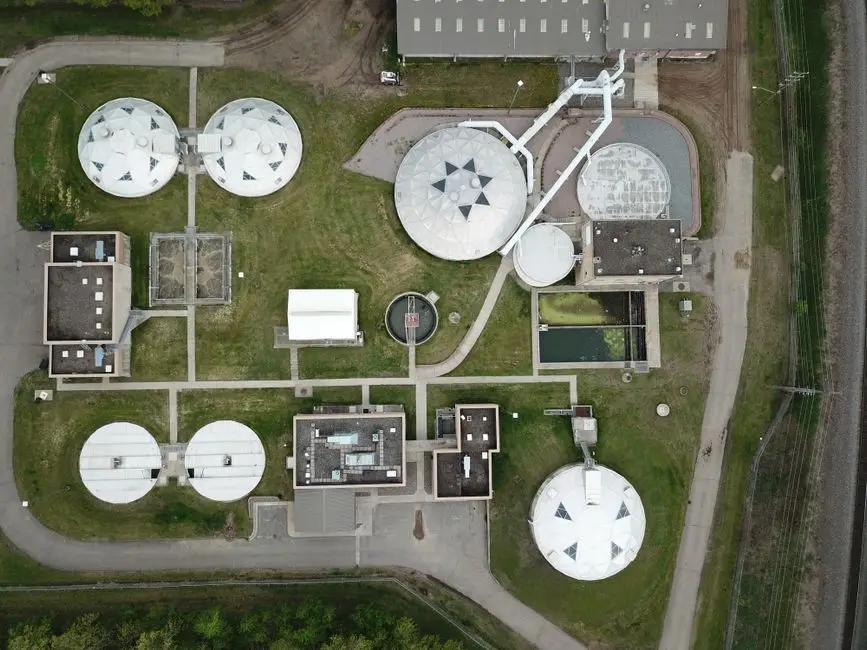
Aerial view of a structured water treatment plant showcasing various components.
Licensed Licensed & Bonded
Fully Insured Insured & Bonded
24/7 Emergency Same-Day Response
Warranty Backed 15+ Years Trusted

What's included in our sewage water removal service

Every job includes the core scope below. If your situation needs something beyond it, like replacing a failed sump pump or installing a backwater valve, we quote that separately before we start so there are no surprises on the invoice.

Emergency extraction and pumping

Submersible pumps and water extraction machines pull standing sewage out of basements, crawl spaces, and utility rooms. We handle everything from a shallow puddle to a foot of standing water, and we work around your furnace, water heater, and stored belongings.

Containment and PPE setup

Plastic sheeting, zip walls, and negative air pressure keep sewage particles from migrating into clean areas of your home. Crews wear full PPE including respirators, gloves, and rubber boots. This is standard on every Category 3 job.

Contaminated material removal

Carpet, padding, saturated drywall, and any porous material that wicked sewage gets bagged and hauled off. We document what was removed with photos for your insurance file. Non-porous materials like concrete, tile, and framing get cleaned and sanitized in place.

Sanitizing and antimicrobial treatment

EPA-registered disinfectant is applied to every affected surface, followed by an antimicrobial treatment on framing and subfloor. This is the step that eliminates the bacteria, viruses, and odor that sewage leaves behind, and it's not optional on black water jobs.

Structural drying and monitoring

Industrial dehumidifiers, air movers, and floor drying mats run until moisture meters and thermal imaging cameras confirm the structure is dry. We return daily to log readings and adjust equipment placement. Most jobs dry in three to five days.

Insurance documentation package

Photos, moisture logs, an itemized scope, and a summary of work performed, all formatted for your adjuster. We've been doing this since 2011 and know what Connecticut carriers want to see. You get a copy for your records and one for the claim.

What Sewage Water Removal in Connecticut actually involves


Sewage Water Removal in Connecticut is the process of extracting Category 3 black water, the most contaminated water classification under the ANSI/IICRC S500 standard, then sanitizing and drying every surface it reached. Raw sewage carries bacteria, viruses, and parasites, so the job starts with containment and PPE, not a mop. We use submersible pumps and water extraction machines to pull the bulk of the water, then wet/dry vacuums and floor drying mats for what's left in carpet, tile grout, and subfloor seams.

Most calls we get are sewer backup water removal Connecticut homeowners need after a heavy rain, a root-clogged lateral, or a sump pump that quit at 2 a.m. during a January thaw. Older housing stock in cities like Manchester and Bethel still runs original cast iron drain lines that crack and bellies that hold waste. If you're searching for emergency sewage cleanup near me Connecticut at midnight, we answer the phone and roll a truck with a wet/dry vacuum, industrial dehumidifiers, and air movers already loaded.

Our five-step sewage water extraction process

Every job follows the same sequence, whether it's a 200-square-foot utility room in Andover or a 1,500-square-foot finished basement in Glastonbury. Here's exactly what happens from the moment you call.

01

Schedule

Call or book online — a real human picks up and confirms a 2-hour arrival window.

02

Diagnose

Licensed tech inspects on-site, then walks you through the cause and your options.

03

Fix

The job is completed to code and done right the first time — no shortcuts, no surprises.

04

Guarantee

Every job backed by a written workmanship warranty — and we stand behind it.

Tools and methods we use on sewage jobs

Tools & Equipment

Submersible pumps

Pull standing sewage out of basements and crawl spaces fast. We use Wayne Pumps and Zoeller models rated for solids, so they don't clog on the debris that comes with a sewer backup.

Water extraction machines

Remove the shallow water and pull moisture out of carpet and pad before we remove them. Dri-Eaz and Phoenix Restoration Equipment units are our go-to for speed and reliability.

Industrial dehumidifiers and air movers

Dry framing, subfloor, and concrete after extraction. We run Legend Brands and Dri-Eaz equipment, sized to the cubic footage of the affected space.

Moisture meters and thermal imaging cameras

Find water you can't see behind walls and under floors. We log readings daily so you and your adjuster can see the drying progress in numbers, not guesses.

Wet/dry vacuums

Handle the final pass on hard surfaces and tight corners. Shop-Vac and RIDGID units are standard on every truck, along with DeWalt and Milwaukee cordless tools for trim removal.

Inspection cameras

Look inside crawl spaces, wall cavities, and drain lines without tearing everything open. Essential for finding the source of a backup and confirming the space is actually dry.

Floor drying mats

Pull moisture out of hardwood and engineered flooring without cupping the boards. We use them when the floor can be saved rather than replaced.

Methods & Standards

ANSI/IICRC S500 Standard

The industry standard for water damage restoration, and the framework we follow on every sewage job. It defines water categories, drying goals, and documentation requirements. Following it is what makes your insurance claim defensible and your drying verifiable.

Category 3 containment protocol

Black water requires physical containment, negative air pressure, and full PPE before extraction begins. We seal the affected area, set up air scrubbers, and keep contaminated air from migrating into clean spaces. This is non-negotiable on sewage jobs.

Daily moisture monitoring

We log moisture content in framing, subfloor, and drywall every day until readings hit the dry standard for the material. Equipment gets repositioned as the drying front moves. You get the log at the end for your records.

EPA-registered disinfection

After extraction and material removal, every affected surface gets sprayed with an EPA-registered disinfectant, followed by an antimicrobial on porous framing. This is what eliminates the bacteria and odor that sewage leaves behind.

When to call for sewage water removal

01

You wake up to a sewer smell and standing water in the basement after an overnight storm.

What we do: Call us immediately. We dispatch a truck with submersible pumps and extraction equipment, set containment, and start pulling water. The sooner we get there, the less material has to be removed and the lower your total cost.

→ Water out the same day, sanitizing done within 24 hours, and full drying completed in three to five days. Most homeowners are back to normal within a week.

02

Your sump pump runs constantly during a spring thaw and you're worried it's about to fail.

What we do: We inspect the pump, check valve, and liner, and can replace any component before it quits. If the pump has already failed and water is rising, we pump it out and install a replacement on the spot.

→ A working pump before the next rain, and no repeat backup. We also check the discharge line and floor drain for clogs that could cause the same problem again.

03

A tenant in your rental property reports a sewage backup and you're three towns away.

What we do: We handle the tenant communication, coordinate access, extract and sanitize the unit, and document everything for your insurance and your records. You get updates by phone and a full report when the job is done.

→ The unit is dry, sanitized, and ready to re-rent within a week. Your tenant stays informed, and your insurance claim is documented from day one.

04

You're selling your house and the inspection found evidence of an old sewage backup in the crawl space.

What we do: We inspect the crawl space with cameras, test for moisture and contamination, extract any remaining water, sanitize, and dry. We provide a written report you can hand to the buyer's agent.

→ A clean inspection report, a dry crawl space, and one less obstacle between you and closing. Most crawl space jobs are done in two to four days.

How sewage water removal works in Connecticut

Connecticut's housing stock and weather create a specific set of sewage problems. The state has one of the oldest housing inventories in the country, and cities like Bridgeport, Manchester, and Bethel still have original cast iron drain lines that crack, scale, and bellies that trap waste. When a heavy rain hits, those lines back up before the municipal system can handle the volume. Add in the freeze-thaw cycle from December through March, which cracks pipes in unheated crawl spaces, and the spring nor'easters that overwhelm sump pumps, and you get a state where sewage backup water removal Connecticut calls spike three or four times a year. We keep trucks loaded and staged across the state so a call from Clinton or Coventry gets the same response time as one from Hartford. If you need 24/7 sewage water extraction in Connecticut, we answer the phone and dispatch, regardless of the hour or the weather.

Neighborhoods We Serve

  • Black Rock, Bridgeport

    Older shoreline homes with original clay and cast iron laterals that root-infiltrate every spring. We see more sewer backups here than almost anywhere else in the state.

  • Buckingham, Glastonbury

    Larger lots with long lateral runs to the street. When a clog forms, it's usually deep, and the backup shows up in a finished basement before the homeowner notices a problem.

  • Highland Park, Manchester

    1950s ranches with shallow crawl spaces and original drain lines. Sewage backups here often go unnoticed for days because the crawl space is out of sight.

  • Georgetown, Easton

    Well-and-septic properties where a failed septic system can back sewage into the house. Different failure mode, same Category 3 cleanup protocol.

Local Conditions We Plan For

  • Freeze-thaw cycles from December through March

    Frozen pipes crack, then thaw and flood. If the water crosses a sewer line, it becomes contaminated. We handle both the extraction and the contamination testing in one visit.

  • Spring nor'easters and summer downpours

    Municipal systems get overwhelmed and push sewage back through floor drains. These are the busiest weeks of our year, and we stage extra trucks to keep response times under 90 minutes.

  • Aging cast iron and clay sewer laterals

    Roots infiltrate the joints, waste catches on the scale, and the line backs up. We see this in almost every pre-1970 home we work on, and it's the number one cause of repeat backups.

  • High water tables near the shoreline

    Hydrostatic pressure pushes groundwater into basements and crawl spaces, and if the floor drain is connected to the sewer, that water comes up contaminated. Sump pumps and backwater valves are the fix.

Finished basement sewer backup in Manchester

Before

A root-clogged lateral backed sewage into a 700-square-foot finished basement overnight. Carpet and pad were saturated, drywall wicked water 14 inches up, and the room smelled like a sewer. The homeowner called at 6 a.m.

After

We extracted 180 gallons, removed the carpet, pad, and lower drywall, sanitized every surface, and ran dehumidifiers and air movers for four days. Moisture readings hit dry standard on day four. Total job: $3,800, mostly covered by insurance.

Maintenance: We installed a backwater valve on the main line and recommended an annual camera inspection of the lateral. The homeowner hasn't had a backup since.

Before

A failed sump pump during a spring thaw left four inches of sewage-contaminated water in a 500-square-foot crawl space. The homeowner didn't notice for three days. Joists were wet, insulation was saturated, and the odor was rising into the kitchen.

After

We pumped and extracted the water, removed the ruined insulation, sanitized the joists and block foundation, and dried the cavity with dehumidifiers and air movers over five days. Moisture content dropped from 32% to 11%. Total job: $2,900.

Maintenance: We replaced the sump pump with a Zoeller unit and added a battery backup. The homeowner now tests the pump every spring before the thaw.

Before

A frozen pipe burst and flooded a utility room, then the water crossed a floor drain connected to the sewer. What started as a clean water leak became a Category 3 job. The furnace and water heater were sitting in two inches of contaminated water.

After

We shut off the water, extracted the sewage, sanitized the furnace and water heater exteriors, dried the concrete floor and framing, and documented everything for the insurance claim. Dry in three days. Total job: $1,650.

Maintenance: We insulated the burst pipe and added a check valve to the floor drain so future backups can't push sewage back into the room.

Sewage problems we solve for Connecticut homeowners

Sewage backups don't fix themselves, and the damage compounds every hour. Here are the most common situations we get called for and what happens if they're ignored.

Problem

Sewer line backs up into a finished basement

Carpet, drywall, and furniture absorb contaminated water within hours. Mold can start colonizing in 24 to 48 hours, and the sewage odor can linger for months if the space isn't properly sanitized.

Our Fix

We extract the water, remove saturated materials, sanitize every surface with EPA-registered disinfectant, and dry the structure with industrial equipment. Most finished basements are back to dry in three to five days, and we document everything for your insurance claim.

Problem

Sump pump fails during a storm

Water rises fast, often several inches per hour in a heavy rain. By the time you notice, the water has usually reached the furnace, water heater, and stored items, turning a pump replacement into a full restoration job.

Our Fix

We pump out the water, dry the space, and can replace the failed pump, check valve, and liner before the next storm. If the backup came from the sewer rather than groundwater, we treat it as Category 3 and sanitize accordingly.

Problem

Crawl space floods with sewage

Crawl spaces are dark, humid, and hard to inspect, so water sits longer than it would in a basement. That leads to rotted joists, compromised insulation, and a persistent odor that rises into the living space above.

Our Fix

We use inspection cameras and moisture meters to map every wet pocket, then extract, sanitize, and dry the entire cavity. We also check for hydrostatic pressure issues and can recommend a waterproofing membrane or drain tile if that's the root cause.

Problem

Frozen pipe thaws and floods a utility room

A burst copper or PVC pipe can dump hundreds of gallons before you find the shutoff. If the water crosses a floor drain or sewer line, it becomes contaminated and the cleanup scope changes entirely.

Our Fix

We shut off the water, extract the standing water, and test whether the source is clean or contaminated. If it's clean, we dry and move on. If it crossed into sewage, we treat the whole area as Category 3 and sanitize.

Why Connecticut homeowners call us for sewage backups

Why Connecticut homeowners call us for sewage backups

Sewage doesn't wait, and neither should you. Here's what you get when you call our team instead of trying to handle a backup yourself.

  • Containment stops the spread

    We seal off the affected area with plastic sheeting and negative air pressure before we pull a single gallon. That keeps airborne bacteria from drifting into your kitchen, bedrooms, and HVAC returns. On a typical 400-square-foot finished basement, containment setup takes 30 to 45 minutes and prevents a $2,000 problem from becoming a $12,000 one.

  • Licensed and code-correct

    Our crews hold Connecticut Home Improvement Contractor (HIC) licenses and IICRC WRT certification, and we follow Connecticut Department of Public Health regulations for sewage handling. When we replace a failed check valve or add a backwater valve, it's installed to code with PVC pipes and flexible couplings, so your next inspection passes without a callback.

  • Full sanitizing, not just drying

    Extracting the water is half the job. We apply EPA-registered disinfectants to every contaminated surface, then run industrial dehumidifiers and air movers until moisture meters read dry. Skipping sanitizing is the number one reason homeowners get sick or smell that sewer odor for months after a flood cleanup Connecticut event.

  • Direct insurance documentation

    We photograph every affected room, log moisture readings with thermal imaging cameras, and provide an itemized scope your adjuster can process the same day. Most standard homeowner policies in Connecticut cover sudden sewer backup water removal when you carry the endorsement, and our paperwork is built to make that claim straightforward.

Licensed, certified, and insured

Licensed & Certified

  • IICRC WRT (Water Damage Restoration Technician) — issued by Institute of Inspection, Cleaning and Restoration Certification
  • IICRC ASD (Applied Structural Drying) — issued by Institute of Inspection, Cleaning and Restoration Certification
  • Connecticut Home Improvement Contractor (HIC) License — issued by Connecticut Department of Consumer Protection
  • EPA Lead-Safe Certification — issued by U.S. Environmental Protection Agency
  • OSHA 10 Construction Safety — issued by Occupational Safety and Health Administration

Verified Reviews

Google ★★★★★4.9

Called at 11 p.m. after our sewer backed up. A real person answered, walked me through shutting off the water, and had a crew at the house in about an hour. They were professional, explained everything, and the basement was dry in four days. Insurance covered it with their paperwork.

Yelp ★★★★★4.8

We've used them twice for rental properties in Manchester. Both times they handled the tenant, documented everything, and left the unit ready to re-rent. The second job was a crawl space and they found water I didn't know was there. Worth every penny.

BBB ★★★★★4.9

Sump pump failed during a storm and we had two inches of sewage in the basement. They were on site in 75 minutes, set containment, and had the water out the same night. Sanitizing and drying took four more days. No smell, no mold, no issues since.

Google ★★★★★5.0

Frozen pipe burst in January and flooded our utility room. They extracted the water, sanitized everything, and even insulated the pipe so it wouldn't happen again. Fair price, no surprises, and they cleaned up after themselves. Highly recommend.

15 years of Connecticut sewage cleanup experience

Ct Water Remover Pros has been handling sewage water extraction in Connecticut since 2011, which means 15 years of sewer backups, failed sump pumps, and storm surges across every kind of housing stock the state has. Our technicians hold IICRC WRT and IICRC ASD certifications, and we follow the ANSI/IICRC S500 standard on every job. We've worked in 1890s farmhouses in Coventry, 1950s ranches in East Granby, and new construction in Easton, and the playbook changes with each one.

  • IICRC WRT and ASD certified technicians on every sewage water extraction crew
  • Connecticut Home Improvement Contractor (HIC) licensed and fully insured
  • EPA Lead-Safe Certification for pre-1978 homes common across Connecticut
  • OSHA 10 trained crews for confined space and crawl space sewage work
  • 15 years and thousands of Connecticut sewage and flood jobs completed
Get Started Today
15 years of Connecticut sewage cleanup experience

Cities we serve for sewage water removal

We deliver sewage water extraction in Connecticut to homeowners, landlords, and property managers across the state. Every truck carries the same equipment and every crew follows the same Category 3 protocol, whether you're in a shoreline city or a quiet northeast town. Here are some of the communities we serve most often.

Bridgeport

Older shoreline housing with original clay laterals means frequent root-related backups. We handle extraction, sanitizing, and can camera-inspect the lateral to find the clog source.

Manchester

1950s ranches with shallow crawl spaces and cast iron drains are common here. Sewage backups often go unnoticed in crawl spaces, so we use inspection cameras to find every wet pocket.

Andover

Rural properties with well-and-septic systems can back sewage into the house when the septic fails. We treat it as Category 3, extract, sanitize, and dry the affected space.

Bethel

Frozen pipes in unheated utility rooms are a winter staple here. When a burst pipe crosses a floor drain, we test for contamination and sanitize if needed.

Burlington

Larger lots with long lateral runs mean clogs form deep and backups show up fast. We extract, dry, and can install a backwater valve to prevent the next one.

Clinton

Shoreline homes with high water tables deal with hydrostatic pressure pushing groundwater up through floor drains. We pump, sanitize, and recommend sump pump upgrades.

Coventry

Sump pump failures during spring thaws are the most common call here. We extract the water, dry the space, and replace the pump, check valve, and liner before the next storm.

East Granby

Mix of older farmhouses and newer construction, each with different drain line issues. We handle both, from cast iron replacements to modern PVC repairs.

Easton

Well-and-septic properties where a failed system can back sewage into the home. We extract, sanitize, and document everything for your insurance claim.

Glastonbury

Finished basements with long lateral runs to the street. When a clog forms, the backup shows up fast. We extract, remove saturated materials, sanitize, and dry.

What Connecticut homeowners say

Real experiences from customers who chose our Sewage Water Removal services.

“Our sewer line backed up into the finished basement during a storm in October. The crew was at the house in about 75 minutes, set containment, and had the water out the same night. They pulled the wet carpet and pad, sprayed everything, and ran dehumidifiers for four days. Insurance covered it with the paperwork they gave us. No smell left.”

D

Dan R.

Homeowner, Bridgeport

“The sump pump died during a nor'easter and we woke up to two inches of sewage in the basement. I called at 5 a.m. and a real person answered. They walked me through shutting off the power and were on site before 7. The crew was professional, wore full gear, and explained every step. Moisture readings were dry by day four.”

K

Karen M.

Homeowner, Glastonbury

“I manage six rental units in Manchester and Bethel, and I've used Ct Water Remover Pros three times for sewage backups. They handle the tenant communication, document everything for the owner's insurance, and never leave a mess behind. The last job was a crawl space backup and they found water I didn't even know was there with their cameras.”

T

Tom B.

Property Manager, Manchester

Frequently Asked Questions

Real answers to the questions we hear most often from local homeowners and property managers.

How much does sewage water removal cost in Connecticut?
Most residential sewage water removal jobs in Connecticut run $1,200 to $4,500 in 2026, depending on square footage, contamination depth, and how much material has to be removed. A small utility room with two inches of water might land near $1,200, while a finished basement with saturated drywall and carpet pushes toward the top of the range. Emergency calls after hours add a modest premium. We give you a written price before we start.
Who does sewage water extraction in Connecticut?
Licensed restoration companies with IICRC-certified technicians and Connecticut Home Improvement Contractor (HIC) credentials handle sewage water extraction in Connecticut. That matters because Category 3 black water requires containment, PPE, and EPA-registered disinfectants, not just a pump. Ct Water Remover Pros has handled these jobs since 2011 and carries the certifications your insurance adjuster will ask for.
Is sewage water removal covered by insurance in Connecticut?
Most standard Connecticut homeowner policies cover sudden sewage backup only if you carry the water backup endorsement, which typically adds $50 to $150 a year to your premium. Without it, the claim is usually denied. We document every job with photos, moisture readings, and an itemized scope so your adjuster can process the claim quickly, and we'll walk you through what to expect before we start.
How to safely clean sewage water in Connecticut?
Don't. Sewage water carries bacteria, viruses, and parasites that a household mop and bleach won't neutralize, and the airborne particles are a real health risk. Shut off power to the affected area, stay out of the room, and call a licensed crew. If you must move through the space, wear rubber boots, gloves, and an N95 mask. We handle the extraction, sanitizing, and drying with commercial-grade equipment.

Related Services

Basement Water Removal

Sewage backups almost always end up in the basement, which is why our basement water removal service pairs directly with sewage extraction. We pump, extract, and dry the whole space, then check your sump pump and floor drain before we leave.

View Basement Water Removal

Flood Water Removal

Storm flooding and sewage backups often hit the same Connecticut homes in the same week. Our flood water removal crews handle the volume, then transition straight into sewage sanitizing if the water source turns out to be contaminated.

View Flood Water Removal

Burst Pipe Water Removal

A burst supply line is Category 1 water, but if it sits long enough or crosses a sewer line, it becomes a sewage problem. We extract, dry, and test the water source so you know exactly what you're dealing with.

View Burst Pipe Water Removal

Frozen Pipe Water Removal

Connecticut winters crack pipes in unheated crawl spaces and exterior walls. When a thaw reveals the damage, we extract the water and check whether the loss crossed into contaminated territory before we dry.

View Frozen Pipe Water Removal

Storm Water Removal

Nor'easters and summer downpours overwhelm municipal systems and push sewage back through floor drains. Our storm water removal service handles the surface water, then we sanitize anything the backup touched.

View Storm Water Removal

Roof Leak Water Removal

Roof leaks are usually clean water, but when they run through a wall shared with a sewage line, the classification changes. We inspect, extract, and dry, and we flag any contamination we find.

View Roof Leak Water Removal

Need Sewage Water Removal in Connecticut right now?

We answer the phone 24/7, dispatch a loaded truck, and give you a written price before we start. Call (833) 640-1438 and get the water out today, not tomorrow.

Call (833) 640-1438 Call Now

Call Us Any Hour, Any Day

Water does not wait for business hours, and neither do we. Call (833) 640-1438 and a live dispatcher picks up, day or night, weekends and holidays included. We serve every corner of Connecticut, from Greenwich to Groton, and most calls get a crew on site in under 60 minutes.

Or call us right now at (833) 640-1438 — we answer.

Ct Water Remover Pros


  • Address

    Serving Statewide, Connecticut

  • Hours

    Mon–Fri: 7AM – 7PM
    Sat: 8AM – 4PM
    Sun: Emergency Only
    24/7 Emergency Available

Call (833) 640-1438 Get Quote
Call Quote