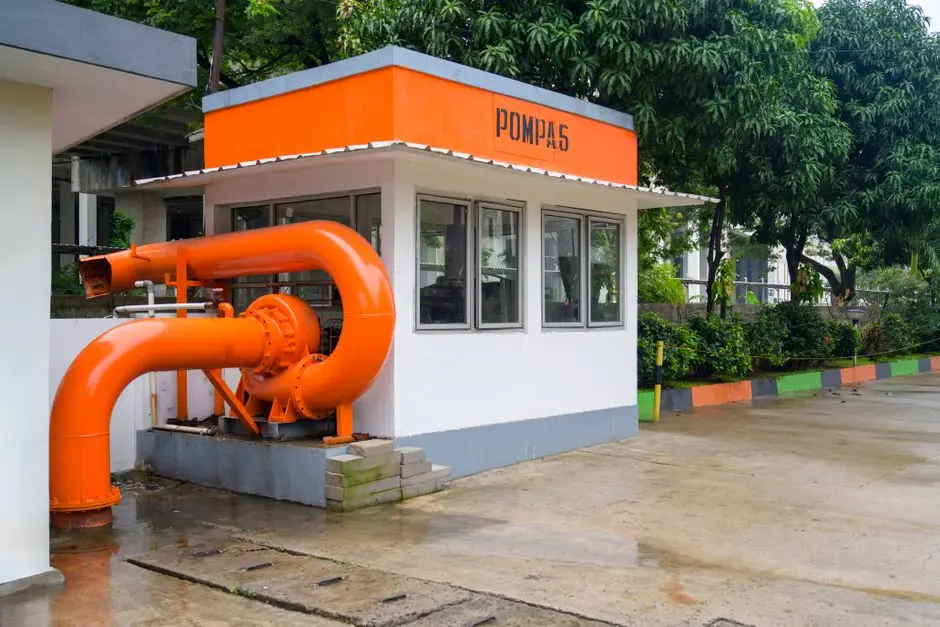
Emergency Water Extraction
We pump out standing water with submersible pumps and extract residual moisture from carpet, pad, and concrete with wet/dry vacuums and RIDGID extractors. A typical basement is down to damp concrete in two to four hours.
Every job includes the full extraction and drying process, plus a diagnosis of why the pump failed. We handle the pump repair or replacement on the same visit when possible. Here is what is covered, and what we can add on if your situation calls for it.
We pump out standing water with submersible pumps and extract residual moisture from carpet, pad, and concrete with wet/dry vacuums and RIDGID extractors. A typical basement is down to damp concrete in two to four hours.
We place industrial dehumidifiers, air movers, and floor drying mats to dry the slab, framing, and contents. We monitor moisture readings every 24 hours and adjust equipment until the space hits dry standard, usually in two to four days.
We test the float switch, check valve, intake, and discharge line to find the failure point. If the pump is dead, we can install a Wayne Pumps, Zoeller, or Little Giant replacement and re-pipe with PVC the same day in most cases.
We use moisture meters and thermal imaging cameras to find hidden saturation behind walls and under floors. You get photos, readings, and a written summary that supports your insurance claim and proves the space is dry.
After extraction, we apply an antimicrobial to surfaces that were underwater to stop mold before it starts. This is standard on every job and especially important in finished basements with drywall and insulation.
Sump Pump Failure Water Removal in Connecticut is the emergency process of pumping out water after a sump pump stops working, then drying the structure so mold and rot do not take hold. It starts with a submersible pump or wet/dry vacuum pulling the bulk of the water, followed by water extraction machines and industrial dehumidifiers to strip moisture from concrete, framing, and carpet. We use moisture meters and thermal imaging cameras to find hidden saturation behind finished walls, then dry the space to the ANSI/IICRC S500 standard.
Connecticut homes deal with a specific set of triggers: spring snowmelt, nor'easter rain bands, and summer downpours that overwhelm drain tiles and push hydrostatic pressure against foundation walls. A failed sump pump water removal Connecticut call usually comes in at 2 a.m. during a storm, when the basement is already ankle-deep. We also see frozen discharge lines in January and check valves stuck open after a power outage. If you need 24/7 sump pump water extraction in Connecticut, we answer the phone and roll trucks.
Every job follows the same five steps, whether you are in a finished basement in West Hartford or a crawl space in Ashford. Here is what to expect from the first call to the final walkthrough.
Schedule
Call or book online — a real human picks up and confirms a 2-hour arrival window.
Diagnose
Licensed tech inspects on-site, then walks you through the cause and your options.
Fix
The job is completed to code and done right the first time — no shortcuts, no surprises.
Guarantee
Every job backed by a written workmanship warranty — and we stand behind it.
Submersible Pumps
Used to pull large volumes of standing water out of the sump pit and basement floor quickly, even when the water is several inches deep.
Wet/Dry Vacuums and RIDGID Extractors
For removing residual water from carpet, pad, and concrete after the bulk has been pumped out. Weighted extraction heads pull water from deep in the fibers.
Industrial Dehumidifiers and Air Movers
Dri-Eaz and Phoenix Restoration Equipment units that dry the slab, framing, and wall cavities to the ANSI/IICRC S500 dry standard.
Moisture Meters and Thermal Imaging Cameras
Used to find hidden moisture behind finished walls and under floors, and to verify the space is actually dry before we remove equipment.
Floor Drying Mats
Placed on hardwood and engineered flooring to pull moisture out of the wood without causing cupping or warping.
Inspection Cameras
Used to look inside discharge lines and crawl spaces to find clogs, cracks, or blockages that are not visible from the surface.
ANSI/IICRC S500 Standard
The industry standard for water damage restoration. We follow it on every job, from extraction through drying verification, so the work is documented and defensible for insurance claims.
Moisture Mapping
We map the affected area with meters and thermal imaging before and during drying. This tells us exactly where the water went and when the space is truly dry, not just dry to the touch.
Antimicrobial Application
After extraction, we apply an antimicrobial to all surfaces that were underwater. This stops mold from starting in the 24 to 48 hour window when it typically begins to grow.
Sump System Testing
After repair or replacement, we fill the pit with water and watch the pump cycle through several on-off cycles. We confirm the check valve holds and the discharge line flows freely before we leave.
01
What we do: Call us immediately. We dispatch the nearest crew, tell you how to kill power safely, and arrive with pumps and extractors ready. We start pulling water the moment we get there and set drying equipment the same night.
→ Your basement is pumped out and drying within hours, before the water wicks into drywall and insulation.
02
What we do: We extract the standing water, remove saturated carpet and pad, and set up a full drying system. We use thermal imaging to find hidden moisture and treat the space with antimicrobial to stop mold.
→ The space is dry and documented in three to four days, with a repair plan for the pump so it does not happen again.
03
What we do: We pump out the water, dry the basement, and install a battery backup or secondary pump so the next outage does not flood you. We also check the check valve and discharge line while we are there.
→ You get a dry basement and a system that keeps working when the grid goes down.
04
What we do: We diagnose whether it is a stuck check valve, a high water table, or an undersized pump. Then we repair or upgrade the system and extract any water that has already spilled onto the floor.
→ The pump cycles normally again, and your basement stays dry through the next storm.
Connecticut's climate is hard on sump pumps. Spring snowmelt saturates the ground, summer thunderstorms dump two inches in an hour, and nor'easters in fall and winter push water against foundation walls for days. Most homes here have block or poured concrete foundations with drain tiles that feed a single sump pit, so when the pump fails, the basement floods fast. Older homes in Hartford and Middletown often have undersized pits and cast-iron discharge lines that clog or freeze. Newer construction in Enfield and Granby usually has PVC discharge lines, but builders sometimes undersize the pump for the water table. We size replacements correctly and add backwater valves where the town code requires them. If you need affordable sump pump water removal Connecticut homeowners can count on, we give you a firm price before we start and follow the ANSI/IICRC S500 standard on every job.
West Hartford Center
Older homes with finished basements and cast-iron discharge lines that freeze in January. We re-pipe with PVC and insulate the line.
Middletown North End
High water table near the Connecticut River means pumps run constantly in spring. We size replacements for continuous duty.
Enfield Thompsonville
Mill-era homes with stone foundations and no drain tile. We add a liner and a properly sized pit when the old one is too small.
Colchester Center
Rural properties on well and septic often have crawl spaces that flood. We use compact extractors to reach under the house.
Spring snowmelt and high water table
Pumps run nonstop for weeks, which burns out motors and wears out float switches. We recommend a secondary pump or battery backup for these months.
Nor'easter rain bands
Multi-day storms overwhelm drain tiles and push water through foundation walls. We see the most emergency calls during these events and staff accordingly.
Hard freezes in January and February
Discharge lines freeze and block, causing water to back up into the pit and flood the basement. We insulate or reroute lines to prevent this.
Power outages during storms
A pump with no power is useless. We install battery backup systems so the pump keeps running when the grid goes down.
Most sump pump failures trace back to one of a handful of causes. We diagnose the real problem, not just the symptom, so you are not calling us again after the next storm.
Problem
Water rises unchecked and floods the basement within hours, soaking drywall, carpet, and anything stored on the floor.
Our Fix
We extract the water, dry the space, and install a new submersible pump sized to your pit and discharge height. We test it with a full pit of water before we leave, so you know it cycles correctly.
Problem
The pump never kicks on, so the pit overflows silently while you are asleep or away from home.
Our Fix
We replace the float switch or upgrade to a vertical float or electronic sensor that is less prone to jamming. We also test the new switch through several cycles to confirm it triggers reliably.
Problem
Water drains right back into the pit after the pump shuts off, so the pump runs constantly and burns out.
Our Fix
We replace the check valve, often with a quieter spring-loaded model, and verify the discharge line holds pressure. This stops the short-cycling and extends pump life.
Problem
Debris or ice blocks the flow, the pump overheats, and water backs up into the basement.
Our Fix
We clear the intake screen and discharge line, then flush the system to confirm full flow. If the line is undersized or prone to freezing, we re-pipe it with proper PVC and insulation.
Problem
The pump has no power when you need it most, and the basement floods while the storm is still raging.
Our Fix
We extract the water and dry the space, then recommend and install a battery backup system or a secondary pump. That way the next outage does not turn into another flood.

Sump pump failures do not wait for business hours, and neither do we. Here is what you get when you call our team instead of a general handyman.
Fast Statewide Response
We run trucks out of multiple Connecticut hubs, so most calls get a crew on-site within 60 to 90 minutes. Every hour water sits, it wicks higher into drywall and insulation. Our technicians arrive with submersible pumps and extraction machines already loaded, so we start pulling water the moment we walk in.
Full Drying, Not Just Pumping
Pumping the visible water is the easy part. We set industrial dehumidifiers and air movers to dry the slab, joists, and wall cavities, then verify with moisture meters. Skipping this step is how basements grow mold two weeks later. We dry to the ANSI/IICRC S500 standard and document readings before we leave.
Sump System Repair On-Site
We do not just remove water and drive off. Our techs diagnose why the pump failed, whether that is a burned-out motor, a stuck check valve, a clogged intake, or a dead float switch. We can swap in a Wayne Pumps or Zoeller replacement, re-pipe with PVC, and test the discharge line before we pack up.
Insurance-Ready Documentation
We photograph the affected area, log moisture readings, and note the cause of loss, which is exactly what your adjuster needs. That paperwork speeds up claims for sump pump backup cleanup Connecticut policies often cover. You get a clear report, not a vague invoice, so the claim does not stall.
Google ★★★★★4.9
Called at midnight when our sump pump died and the basement was flooding. They answered on the first ring and had a crew at our house in Enfield within 80 minutes. Pumped out the water, set up dryers, and replaced the pump the next day. Professional and fast.
Yelp ★★★★★4.8
We had a finished basement flood in Colchester after a storm. They extracted the water, pulled up the wet carpet, and dried everything in three days. The documentation for our insurance claim was thorough and the adjuster approved it without questions.
BBB ★★★★★4.9
Used them for a crawl space flood in Ashford. They were the only company that would go under the house. Dried it out, treated for mold, and replaced the pump. Fair price and no surprises on the bill.
Ct Water Remover Pros has been pulling water out of Connecticut basements since 2011. In 15 years we have handled thousands of sump pump failures, from single-family colonials in Enfield to finished walk-outs in Granby. Our technicians hold IICRC WRT (Water Damage Restoration Technician) and IICRC ASD (Applied Structural Drying) certifications, and we work to the ANSI/IICRC S500 standard on every job. We are a licensed Connecticut Home Improvement Contractor and carry EPA Lead-Safe Certification for work in older homes. When a pump dies at 3 a.m. during a nor'easter, you get a trained crew, not a call center.

Our crews cover the entire state, from the Hartford metro to the Quiet Corner and the shoreline. Whether you need emergency sump pump water removal in a city or a rural town, we send the nearest truck. Here are some of the communities we serve most often for sump pump flood extraction and drying.
Older homes with finished basements and cast-iron discharge lines. We extract water fast, dry the space, and re-pipe with PVC to prevent freezing.
High water table near the Connecticut River means pumps run hard in spring. We size replacements for continuous duty and add battery backups.
Rural properties with crawl spaces and wells. We use compact extractors and low-profile air movers to dry under the house and stop mold.
Mix of older colonials and newer construction. We handle both finished and unfinished basements, and we diagnose why the pump failed before we repair it.
Quiet Corner homes on larger lots with poor drainage. We pump out flooded basements, dry them, and recommend drainage fixes to reduce future risk.
Rural and suburban homes with crawl spaces and basements. We extract water, dry the structure, and replace failed pumps with properly sized units.
Mill-era homes with stone foundations and no drain tile. We add liners and properly sized pits when the old system cannot keep up.
Lake-adjacent properties with high water tables. We handle frequent pump failures and install secondary pumps to handle the constant inflow.
Older homes with undersized pits and cast-iron lines. We extract, dry, and upgrade the sump system so it handles nor'easter rain bands.
Rural homes with finished walk-out basements. We dry them fast and repair or replace the pump, often adding a backup for storm outages.
Real experiences from customers who chose our Sump Pump Failure Water Removal services.
“Our sump pump died during a storm at 11 p.m. and the basement was already two inches deep when I called. The crew showed up in about an hour, pumped everything out, and had dehumidifiers running by 1 a.m. They found the float switch was stuck and replaced it the next morning. No mold, no ruined carpet. Worth every penny.”
Dave M.
Homeowner, West Hartford
“We came home from vacation to a flooded finished basement. The pump had been dead for days. Ct Water Remover Pros extracted the water, pulled up the wet carpet, and dried the whole space in three days. They documented everything for our insurance claim and even replaced the check valve. The adjuster said the report was the cleanest he had seen.”
Karen L.
Homeowner, Colchester
“I manage several rental units and have used these guys twice for sump pump failures. Both times they were on-site within 90 minutes, even on a Sunday. They dried the units, repaired the pumps, and gave me written moisture readings for my records. Straight pricing, no games. They are my first call now.”
Ray T.
Property Manager, Enfield
Real answers to the questions we hear most often from local homeowners and property managers.
Sump pump failures almost always flood the basement first. Our basement water removal crews handle the full pump-out and drying, including finished walls and carpet, so the space is dry and usable again. We coordinate it with the pump repair so you are not dealing with two separate companies.
View Basement Water RemovalWhen a storm overwhelms your sump pump and the whole lower level floods, flood water removal covers the larger-scale extraction. We bring trailer-mounted pumps and extra drying equipment for deep water, and we handle the contaminated-water protocols if the flood carried in silt or sewage.
View Flood Water RemovalA failed sump pump and a burst pipe often show up together after a hard freeze. If a supply line let go while the pump was down, we extract the water, dry the framing, and repair the pipe. One crew handles both problems so you are not waiting on two schedules.
View Burst Pipe Water RemovalConnecticut winters freeze discharge lines and supply pipes alike. A frozen sump discharge line can back water into the pit and flood the basement. We thaw the line, extract the water, and insulate the pipe or reroute it so the same freeze does not happen next January.
View Frozen Pipe Water RemovalNor'easters and summer downpours are when sump pumps fail most often. Our storm water removal service handles the surface water, roof runoff, and groundwater that pours in during a storm, then dries the structure. We work through the weather, not after it.
View Storm Water RemovalIf your sump pit ties into a sewage line or the backup was contaminated, the water is a health hazard. We treat it as Category 3, use proper PPE, and disinfect the space after extraction. This is a different job than clean groundwater, and we handle it correctly.
View Sewage Water RemovalWater does not wait for business hours, and neither do we. Call (833) 640-1438 and a live dispatcher picks up, day or night, weekends and holidays included. We serve every corner of Connecticut, from Greenwich to Groton, and most calls get a crew on site in under 60 minutes.
Phone
(833) 640-1438Address
Serving Statewide, Connecticut
Hours
Mon–Fri: 7AM – 7PM
Sat: 8AM – 4PM
Sun: Emergency Only
24/7 Emergency Available